
The global automotive market for alloy wheels is projected to reach $11.4 billion by 2029, according to Valuates Reports.
BANGALORE, India—The size of the global automotive alloy wheel market, by revenue, totaled USD 11,400 million ($11.4 billion) in 2022, according to a report by market research company Valuates Reports. By 2029, the market is forecast to reach USD 14,170 million ($14.17 billion), growing at a compound annual growth rate (CAGR) of 3.1 percent during the forecast period of 2023-2029, the company said in a release announcing its report.
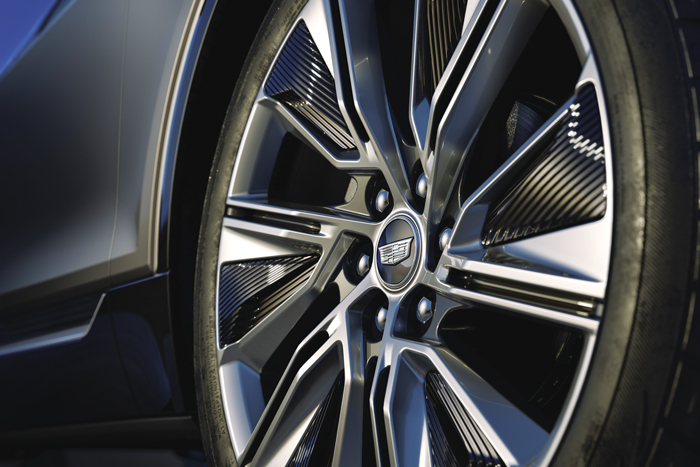
The 2023 Cadillac LYRIQ offers standard 20-inch split six-spoke alloy wheels or optional 22-inch dynamic split-spoke reverse rim alloy wheels. (Photo courtesy General Motors Company)
According to the release, multiple key factors are driving the growth of the automotive alloy wheel market. The market is continuing to expand as consumers and manufacturers seek wheels that deliver improved appearance, reliable performance, and enhanced comfort across vehicle categories.
“Alloy wheels support modern driving expectations by offering reduced weight, smoother response, and improved braking behavior. Their aesthetic versatility appeals to buyers seeking visual upgrades that align with evolving automotive trends,” the release stated.
As a result, manufacturers are integrating alloy wheels across new vehicle models to strengthen appeal and meet lifestyle-driven preferences. As aftermarket adoption grows alongside rising vehicle customization, alloy wheels are maintaining strong relevance. These combined motivations are reported to support consistent market development, driven by design innovation, performance priorities, and expanding global mobility demands.
Trends Influencing the Growth of the Automotive Alloy Wheel Market
In highlighting trends that are influencing the growth of the automotive alloy wheel market, the report identified two established manufacturing processes: casting and forging.
Casting is reported to influence the automotive alloy wheel market by offering a balanced combination of reliability, design freedom, and manufacturing scalability that supports wide adoption across vehicle categories. It enables producers to create wheels with smooth contours and intricate shapes that meet aesthetic expectations while maintaining strength for everyday driving conditions, the release said.
Also, by enabling consistent production with reduced material waste, the casting process appeals to manufacturers seeking efficiency in large-scale operations.
“[Casting’s] compatibility with varied alloy compositions supports customization for different performance needs, giving automotive brands flexibility in styling and functionality. As consumer interest in appealing, lightweight wheels expands, the versatility of casting continues shaping preference for accessible and durable wheel solutions across global markets,” the release stated.
According to Valuates Reports, forging contributes to the automotive alloy wheel market by offering wheels with enhanced density, refined structure, and improved durability that appeal to performance-focused segments.
The forging process is known to strengthen alloy integrity through controlled pressure that aligns material grains, resulting in wheels capable of handling demanding road conditions with increased resilience. This benefits manufacturers that target sports vehicles, luxury models, and applications requiring superior handling characteristics, the release said.
Forged wheels also deliver weight efficiencies that support improved driving dynamics while maintaining structural confidence.
“Their premium perception attracts buyers seeking advanced engineering in their vehicles,” the release stated. “As automotive design evolves toward higher standards of stability and refined performance, forging remains a favored method for premium wheel development.”
Passenger vehicles are reported to be strengthening the automotive alloy wheel market as consumers increasingly prefer wheels that elevate appearance, driving comfort, and long-term reliability. Alloy wheels appeal to passenger vehicle owners because they offer a lighter feel, smoother handling, and better heat dissipation versus conventional alternatives. Manufacturers, in turn, are emphasizing stylish designs that match modern vehicle aesthetics, encouraging widespread adoption across sedans, hatchbacks, and crossover models, the release said.
“The demand for enhanced urban mobility and personalized vehicle styling motivates buyers to choose wheels that combine performance advantages with distinctive visual appeal,” according to the release. “As passenger vehicles remain central to personal transportation needs, their broad presence ensures continued interest in alloy wheel solutions that complement daily driving expectations.”
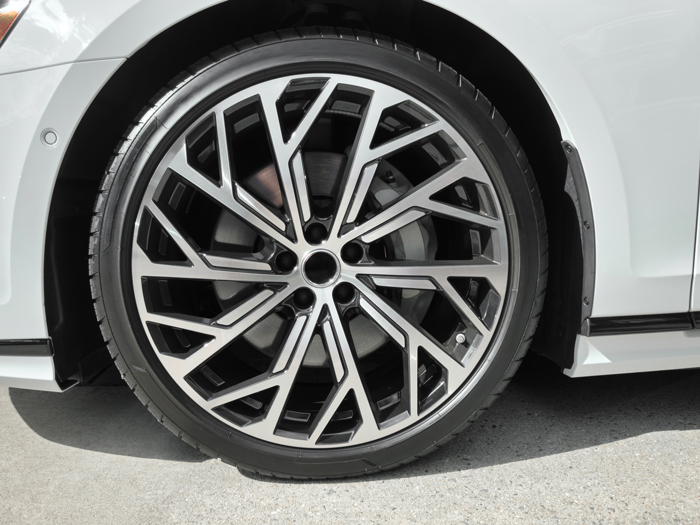
A detailed close-up of a modern black alloy wheel featuring metal lug nuts and a smooth, unbranded center cap. (Getty Images®; Credit: gerenme)
Another factor that supports the automotive alloy wheel market is the automotive industry’s growing interest in reducing vehicle weight. Manufacturers and consumers increasingly prefer wheels that enhance fuel efficiency, handling comfort, and overall balance. Alloy wheels are aligned with this trend because they deliver a lighter structure compared to traditional wheel materials, helping drivers experience smoother acceleration and responsive steering. The reduced unsprung mass improves road connection and stability during both low-speed and high-speed travel, according to Valuates Reports.
“Automotive companies seek wheel designs that complement modern lightweight construction strategies, making alloys an essential choice for new vehicle models. As customers become more aware of the driving benefits linked to lighter components, the preference for alloy wheels continues expanding across personal and commercial vehicle categories,” the release stated.
In addition, growing emphasis on vehicle appearance contributes to the rising demand for alloy wheels that offer distinctive finishes, creative designs, and appealing visual enhancements. Drivers are increasingly seeking wheels that elevate the character of their vehicles, making styling an influential factor in purchasing decisions.
This brings them to alloy wheels, which support detailed surface treatments and varied shapes that allow automotive designers to create models with stronger identity. Customization trends encourage manufacturers to provide a broader portfolio of designs that meet diverse consumer expectations.
“This shift reinforces the role of alloy wheels as both functional and expressive components. As personalization becomes integral to automotive culture, the market continues benefiting from the desire for attractive and impactful wheel designs,” the release stated.
Performance expectations are also influencing the automotive alloy wheel market as drivers seek wheels capable of supporting precise handling, reliable braking response, and smooth movement across varying conditions. Alloy wheels are said to help improve road feedback by reducing rotational mass, allowing the suspension system to respond more efficiently. Their composition supports improved heat management, benefiting braking systems during extended use, the release said.
Not surprisingly, vehicle manufacturers are integrating performance-oriented wheels to align with evolving consumer interest in agile driving experiences. By bridging aesthetics and functional efficiency, these wheels attract customers who value both style and capability. As performance-centered models continue to gain traction across global markets, alloy wheels are maintaining strong relevance in delivering refined driving attributes.
Moreover, the automotive alloy wheel market grows as vehicles increasingly require components that manage temperature effectively during braking and prolonged usage. Alloy wheels disperse heat more efficiently than traditional materials, helping maintain braking reliability and prolonging component life. This supports safety-focused consumers and manufacturers seeking parts that reduce operational strain on critical systems. Improved heat management contributes to consistent driving behavior across varied environments, especially in conditions involving frequent braking, according to the release.
Automotive companies highlight these advantages to differentiate their vehicles and assure customers of long-term stability. As emphasis on effective thermal control becomes more widespread, alloy wheels gain stronger appeal for their ability to enhance everyday driving confidence, the release said.
“Expanding vehicle ownership across regions positively influences the automotive alloy wheel market as more consumers seek wheels that enhance durability, appearance, and comfort,” the release stated. “Growing urban populations encourage demand for passenger vehicles equipped with wheels that support both practical and lifestyle expectations. Alloy wheels appeal to new buyers because they improve driving feel while contributing to a refined look that resonates with modern preferences.”
According to the release, manufacturers are responding by integrating alloys across multiple vehicle segments, ensuring accessibility for diverse budgets and needs. As personal transportation remains essential for commuting and leisure, demand for dependable and visually appealing wheel options continues to shape market expansion across global automotive landscapes.